Hyperbaric Oxygen Therapy in London: Clinical Evidence & Treatment Guide
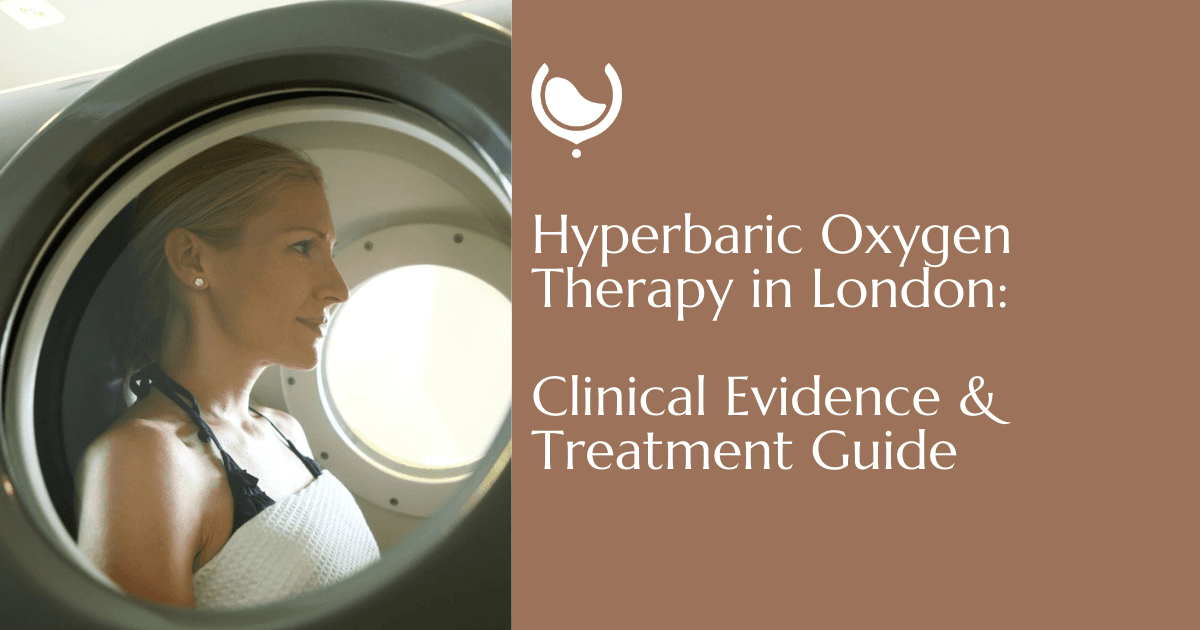


Hyperbaric oxygen therapy (HBOT) delivers pure oxygen at pressures significantly higher than atmospheric levels, creating powerful physiological changes that accelerate healing, reduce inflammation, and restore cellular function. As one of the most evidence-based advanced therapies available, HBOT has transformed treatment outcomes for conditions ranging from diabetic foot ulcers to traumatic brain injury—and emerging research shows remarkable promise for Long COVID recovery.
For patients in London seeking HBOT treatment, understanding the science behind oxygen chamber therapy, the clinical evidence supporting various applications, and what to expect during treatment helps determine whether this advanced intervention aligns with your health goals.
This comprehensive guide examines how hyperbaric oxygen therapy works at the cellular level, reviews peer-reviewed clinical evidence for specific conditions, addresses safety considerations, and explains how to access qualified HBOT treatment in London.
What Is Hyperbaric Oxygen Therapy?
Hyperbaric oxygen therapy involves breathing 100% pure oxygen inside a pressurized chamber at levels significantly higher than normal atmospheric pressure. Standard HBOT protocols deliver oxygen at 2.0-2.5 atmospheres absolute (ATA)—approximately 2-2.5 times the pressure experienced at sea level.
This combination of pure oxygen and increased pressure creates dramatic physiological changes. According to physiological measurements, arterial oxygen pressure increases to approximately 1,900 mmHg during HBOT—roughly 15 times normal levels. This hyperoxic state allows plasma itself to carry significant oxygen (6% of total delivery versus 0.3% at normal pressure), enabling oxygen delivery even to tissues with severely compromised blood flow.
Treatment sessions typically follow this protocol:
- Duration: 90-120 minutes of 100% oxygen breathing
- Pressure: 2.0-2.5 ATA (atmospheres absolute)
- Frequency: Daily sessions, typically 5 days per week
- Course length: 20-40 sessions average, depending on condition severity
- Chamber types: Both monoplace (single-patient) and multiplace (multiple-patient) chambers available
The treatment creates a steep oxygen gradient between blood and damaged tissue, providing up to 10-14 times the standard oxygen amount compared to breathing air at sea level. This oxygen saturation triggers multiple beneficial cellular responses that conventional therapies cannot replicate.
How HBOT Works: Cellular Mechanisms Explained
The therapeutic effects of hyperbaric oxygen therapy extend far beyond simple oxygen delivery. The hyperoxic environment triggers sophisticated biological mechanisms that address multiple pathways of cellular dysfunction simultaneously.
Angiogenesis & New Blood Vessel Formation
HBOT stimulates growth of new blood vessels through upregulation of vascular endothelial growth factor (VEGF) and hypoxia-inducible factor-1α (HIF-1α). The steep oxygen gradient across damaged tissue provides a powerful stimulus for vascular growth, with measurable angiogenesis occurring after just 8 HBOT sessions. This neovascularization proves particularly critical for chronic wounds and radiation-damaged tissue where compromised blood supply prevents healing.
Enhanced Immune Function
Hyperoxic conditions restore neutrophil-mediated bacterial killing that becomes impaired in low-oxygen environments. White blood cell activity increases significantly, improving the body's ability to fight infections. HBOT also creates an environment directly inhibitory to anaerobic bacteria—the primary pathogens in many chronic bone and soft tissue infections.
Reduced Inflammation & Oxidative Stress
Paradoxically, controlled hyperoxic exposure activates antioxidant enzymes including superoxide dismutase (SOD) and catalase while reducing pro-inflammatory cytokines like IL-6 and TNF-α. This anti-inflammatory effect proves particularly beneficial for autoimmune conditions and chronic inflammatory disorders. Similar to how EBOO therapy uses controlled oxidative exposure to enhance antioxidant systems, HBOT triggers adaptive cellular responses that reduce chronic inflammation.
Stem Cell Mobilization
HBOT releases vasculogenic stem cells capable of differentiating into endothelial cells, supporting tissue regeneration and repair. This stem cell mobilization contributes to long-term healing benefits that persist beyond the treatment course itself.
Fibroblast Activation & Collagen Production
Enhanced oxygen availability activates fibroblasts—the cells responsible for collagen production and tissue repair. Increased collagen deposition strengthens wound healing and supports structural tissue integrity, particularly important for surgical recovery and chronic wound management.
Clinical Evidence: Conditions HBOT Successfully Treats
Diabetic Foot Ulcers - Gold Standard Evidence
Diabetic foot ulcers represent one of HBOT's most well-established applications, with the strongest clinical evidence of any indication. A Cochrane meta-analysis of 6 randomized controlled trials involving 557 patients found HBOT increased wound healing success by 81% (RR 2.33, 95% CI 1.51-3.60) compared to standard care alone.
The evidence extends beyond healing rates to amputation prevention—HBOT reduced major amputation risk by 66% in diabetic patients with chronic foot ulcers. In a single-center study of 248 chronic non-healing wounds (134 diabetic), 81% achieved complete or near-complete healing after HBOT treatment.
Treatment timeline matters significantly: Early referrals (wounds less than 6 weeks old) achieved healing in an average of 67 days, while late referrals (wounds over 18 months old) required 119 days. A multicenter trial showed 52% of diabetic ulcers healed at 90 days with HBOT versus 29% with sham treatment, with peak effects at 150 days.
These outcomes reflect HBOT's ability to increase collagen deposition, stimulate angiogenesis through VEGF upregulation, enhance leukocyte activity, improve oxygen diffusion to wound tissue, and reduce infection risk through anaerobic bacterial inhibition.
Chronic Osteomyelitis - Bone Infection Treatment
Chronic bone infections, particularly those resistant to conventional antibiotic therapy, respond remarkably well to adjunctive HBOT. Systematic review of 7 studies involving 615 patients demonstrated 85% complete infection resolution when HBOT combined with antibiotics, compared to 54% with antibiotics alone.
In an 80-patient cohort with chronic refractory foot osteomyelitis followed for 36 months, 85% achieved total infection eradication with zero HBOT-related complications. When HBOT added to antibiotics for soft tissue infections, mean resolution time dropped from 13 days to 6 days—a 46% reduction.
HBOT's effectiveness for bone infections operates through multiple mechanisms: direct killing of anaerobic bacteria (primary bone infection pathogens), prevention of clostridial α toxin and pseudomonas species production, restoration of neutrophil-mediated bacterial killing, and enhanced antibiotic penetration and effectiveness in poorly vascularized bone tissue.
Radiation-Induced Tissue Injury
Patients who've undergone radiation therapy for cancer treatment often develop late radiation tissue toxicity (LRTTI)—chronic tissue damage that can manifest months or years after treatment completion. HBOT addresses this through reversal of radiation-induced hypoxia and stimulation of neovascularization in fibrotic, radiation-damaged tissue.
Retrospective analysis of 385 patients showed 75% achieved complete or significant symptom improvement in conditions including osteoradionecrosis (bone necrosis after head/neck radiation), radiation cystitis (bladder damage), radiation proctitis (rectal damage), and soft tissue necrosis in irradiated areas.
For radiation-induced hemorrhagic cystitis specifically, 84% of patients achieved partial or complete symptom resolution. Early initiation—within 6 months of symptom onset—associated with significantly better outcomes. HBOT often reduces or eliminates the need for reconstructive surgery in radiation-damaged tissue.
Traumatic Brain Injury & Post-Concussion Syndrome
Emerging evidence demonstrates HBOT's potential for neurological recovery following traumatic brain injury. A 2025 double-blind randomized controlled trial involving 73 military veterans showed HBOT improved cognitive function by 16% (measured by ICECAP scores) and reduced PTSD symptoms by 30%.
Functional MRI studies revealed improvements in brain regions crucial for executive function, memory, and emotional regulation—specifically the left dorsolateral prefrontal cortex, middle temporal gyri, thalami, left hippocampus, and left insula. These cognitive improvements persisted 2 months post-treatment, indicating sustained neuroplasticity enhancement.
The mechanisms involve HBOT promoting stem cell proliferation and migration to injury sites while increasing key neuronal growth molecules including VEGF, VEGFR-2, Raf-1, MEK1/2, and phospho-ERK 1/2. Improvements in memory, depression, anxiety, sleep quality, and overall quality of life have been documented across multiple studies.
Long COVID & Post-Viral Recovery
The newest and perhaps most promising application of HBOT addresses persistent symptoms following COVID-19 infection. A 2025 prospective trial involving 67 Long COVID patients demonstrated remarkable outcomes: 72% improvement in fatigue, 58% cognitive improvement, and 67% global symptom reduction after 40 HBOT sessions.
An international multicenter registry study showed 87.9% of post-COVID patients experienced improvement across comprehensive symptom assessments, with benefits sustained 1 year post-treatment. Neurobehavioral Symptom Inventory scores dropped from 30.6 pre-treatment to 14.4 post-treatment (p<0.001).
These improvements align with HBOT's ability to address the cellular dysfunction underlying Long COVID—mitochondrial impairment, chronic oxidative stress, immune dysregulation, and microvascular dysfunction. Similar to how EBOO therapy treats Long COVID through systemic oxygenation and immune modulation, HBOT provides sustained oxygen delivery that supports cellular recovery.
HBOT protocols for Long COVID typically involve 40 daily sessions (100% oxygen at 2.0 ATA for 90 minutes with 5-minute air breaks every 20 minutes), with improvements documented in cognitive function, psychiatric symptoms, fatigue, sleep quality, and pain levels.
Fibromyalgia & Chronic Pain
Chronic pain conditions, particularly fibromyalgia, show significant response to HBOT treatment. A randomized controlled trial involving 48 patients receiving HBOT at 2.4 ATA for 90 minutes demonstrated 60% pain reduction, 74% tender point reduction, and 48% improved quality of life.
Meta-analysis results showed HBOT could relieve pain in fibromyalgia patients compared with control (SMD=−1.56, 95% CI −2.18 to −0.93). When compared to pharmacological interventions, HBOT significantly reduced pain intensity, particularly in fibromyalgia patients with history of traumatic brain injury.
Inflammatory Bowel Disease
Ulcerative colitis and Crohn's disease respond to HBOT through reduction of oxidative stress and inflammation in intestinal tissue. Retrospective analysis of 34 patients showed 87% achieved clinical remission and 70% demonstrated endoscopic improvement after 40 sessions.
International registry data from 2024 showed ulcerative colitis patients experienced improved quality of life and lower bowel symptom scores (frequency, blood, pain, urgency). Among Crohn's disease patients, quality of life scores improved from 53.8 pre-treatment to 68.8 post-treatment, with 13% reporting fistula closure.
HBOT reduces oxidative stress by increasing SOD and glutathione peroxidase while decreasing malondialdehyde (MDA). Phase 2A trials showed HBOT combined with steroids achieved higher clinical remission rates versus steroids alone, with reduced progression to second-line therapy.
Safety Profile: What to Expect During Treatment
HBOT demonstrates an excellent safety profile when administered under proper medical protocols. Meta-analysis of 82 trials involving 7,469 treatments documented the following safety data:
Most Common Side Effects:
- Ear barotrauma: 30% incidence (mostly mild ear discomfort managed with equalization techniques)
- Oxygen toxicity seizures: 0.25-6 per 10,000 sessions—extremely rare
- Transient visual changes: Temporary and reversible
- Mild headaches: Usually resolve with hydration
- Sinus barotrauma: Pressure-related discomfort
Serious Adverse Events: Multiple large studies involving 80-248 patient cohorts reported zero life-threatening complications. The overall safety profile remains excellent, particularly when comparing adverse effect rates to the therapeutic benefits achieved.
Adverse effects correlate with pressure levels—treatments below 2.0 ATA show relatively low adverse effect incidence, while protocols at or above 2.0 ATA show higher rates (RR 7.99, 95% CI 3.03-14.96). Most therapeutic protocols use 2.0-2.5 ATA as the optimal balance between efficacy and safety.
Contraindications requiring screening:
- Untreated pneumothorax (collapsed lung)
- Certain lung diseases
- Recent ear surgery or injury
- Severe congestive heart failure
- Upper respiratory infections
- High fever
- Certain seizure disorders (though recent data shows low risk even in seizure-prone patients)
Qualified medical facilities conduct comprehensive pre-treatment assessment to identify any contraindications and ensure safe treatment delivery. Similar to the importance of medical oversight for EBOO therapy, proper HBOT administration requires specialized training and continuous patient monitoring.
Treatment Timeline & What to Expect
Initial Consultation & Assessment
HBOT treatment begins with comprehensive medical evaluation by qualified medical professionals. This assessment reviews your complete health history, specific condition requiring treatment, previous treatments attempted, and current medications. Medical screening identifies any contraindications and determines appropriate treatment protocols.
The Treatment Session
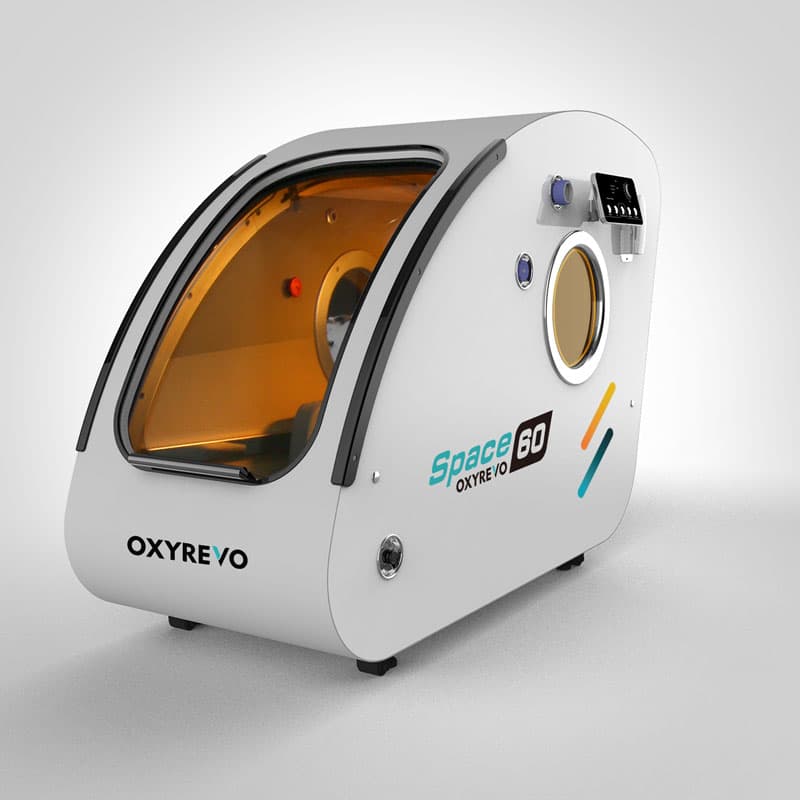
During HBOT sessions, you'll recline comfortably in either a monoplace chamber (single-person unit resembling a clear tube) or multiplace chamber (room-sized unit accommodating multiple patients). Pressure gradually increases to therapeutic levels (typically 2.0-2.5 ATA) over 10-15 minutes.
Once at pressure, you breathe 100% oxygen through a mask or hood for 90-120 minutes, typically with scheduled air breaks every 20-30 minutes to prevent oxygen toxicity. Many patients read, watch videos, listen to music, or rest during sessions. Pressure decreases gradually at session end, preventing discomfort.
Treatment Course Duration
Most conditions require 20-40 sessions for optimal outcomes, though protocols vary based on specific diagnoses:
- Diabetic foot ulcers: 20-40 sessions, with peak benefits in first 10 treatments
- Chronic osteomyelitis: 20-40 sessions combined with antibiotics
- Radiation injury: 20-40 sessions, sometimes with maintenance "booster" sessions
- Long COVID: 40 sessions showing best outcomes in recent trials
- TBI/post-concussion: 30-40 sessions
- Fibromyalgia: 20-40 sessions
When Results Become Noticeable
Timeline for improvement varies by condition. Some patients notice changes within the first week—increased energy, reduced pain, or improved cognitive clarity. Wound healing typically shows measurable progress after 5-10 sessions, with peak therapeutic effects occurring in the first 10 treatments. Full benefits often require completing the entire treatment course, with improvements continuing even after sessions conclude.
For post-viral conditions like Long COVID, improvements may take 2-4 weeks to become noticeable but tend to persist long-term. Studies document sustained benefits 1 year post-treatment for cognitive function, fatigue reduction, and quality of life improvements.
HBOT in London: Accessing Treatment
NHS vs Private HBOT Access
The NHS provides hyperbaric oxygen therapy for specific approved indications including decompression sickness, carbon monoxide poisoning, and certain wound healing contexts. However, NHS HBOT availability remains limited, with few specialized centers and often significant waiting lists.
For emerging indications like Long COVID, traumatic brain injury, fibromyalgia, or inflammatory bowel disease, private HBOT clinics in London offer more accessible treatment options. Private facilities typically provide shorter wait times, flexible scheduling, and treatment protocols tailored to individual needs.
HBOT Treatment Cost
Private HBOT sessions at our London clinic range £150-£300 per session, depending on duration. A 30 minute session in our clinic costs £145, and a 60 minute session costs £245.
Some private insurance policies cover HBOT under specific indications, particularly for approved uses like diabetic foot ulcers, chronic osteomyelitis, or radiation injury. Coverage for emerging indications varies by insurer and requires pre-authorization in most cases.
Choosing a Qualified HBOT Facility
When selecting an HBOT provider in London, consider the following factors:
- Medical oversight: Treatment should involve qualified medical professionals with hyperbaric medicine training
- Chamber certification: Equipment should meet safety standards and undergo regular maintenance
- Treatment protocols: Facility should follow established protocols based on your specific condition
- Emergency capabilities: Proper equipment and training for managing potential complications
- Patient screening: Comprehensive pre-treatment assessment and contraindication evaluation
Integration with Comprehensive Care
HBOT often works synergistically with other advanced therapies. For post-viral conditions, combining HBOT with IV vitamin therapy, NAD+ supplementation, or glutathione support may enhance recovery outcomes. For chronic infections, HBOT serves as adjunctive therapy alongside appropriate antibiotics and surgical debridement when indicated.
At IV Drip Clinic London, we provide comprehensive evaluation to determine whether HBOT represents an appropriate option for your specific health goals, or whether alternative therapies better address your needs. Our West London location offers access to various advanced therapies that may complement or serve as alternatives to HBOT.
Frequently Asked Questions About HBOT
How long does each hyperbaric oxygen therapy session take?
HBOT sessions typically last 90-120 minutes inside the chamber, with additional time for pressurization and depressurization (approximately 10-15 minutes each). Total appointment time usually ranges 2-2.5 hours including preparation and post-treatment monitoring.
Is hyperbaric oxygen therapy safe?
HBOT demonstrates excellent safety when administered under proper medical protocols. Meta-analysis of 82 trials showed the most common side effect is mild ear discomfort (30% incidence), easily managed with equalization techniques. Serious complications like oxygen toxicity seizures occur in only 0.25-6 per 10,000 sessions. Multiple large studies reported zero life-threatening adverse events when treatment follows established protocols with appropriate medical oversight.
How many HBOT sessions will I need?
Treatment duration varies by condition. Most protocols involve 20-40 sessions scheduled daily (5 days per week). Diabetic foot ulcers often show peak benefits within the first 10 treatments, while Long COVID protocols typically use 40 sessions. Your medical team determines optimal session number based on condition severity, response to initial treatments, and clinical evidence for your specific diagnosis.
Does HBOT work for Long COVID symptoms?
Recent 2025 clinical research shows 72% of Long COVID patients experienced fatigue improvement, 58% cognitive improvement, and 67% global symptom reduction after 40 HBOT sessions. International registry data demonstrated 87.9% improvement rate across comprehensive symptom assessments, with benefits sustained 1 year post-treatment. HBOT addresses the cellular dysfunction underlying Long COVID—mitochondrial impairment, oxidative stress, and microvascular dysfunction.
Can HBOT help with diabetic wounds that won't heal?
Yes. HBOT has the strongest clinical evidence for diabetic foot ulcers among all indications. Cochrane meta-analysis showed HBOT increases healing success by 81% and reduces major amputation risk by 66%. In studies of chronic non-healing wounds, 81% achieved complete or near-complete healing. Early treatment (wounds less than 6 weeks old) shows best outcomes, though even long-standing wounds (18+ months) demonstrate significant improvement.
What conditions does the NHS cover HBOT for?
NHS provides HBOT primarily for decompression sickness, carbon monoxide poisoning, gas gangrene, and specific wound healing contexts. Coverage for emerging indications like Long COVID, traumatic brain injury, or fibromyalgia typically requires private treatment. Some private insurance policies cover HBOT for FDA/NICE-approved indications, with coverage for emerging uses varying by insurer.
Where can I get hyperbaric oxygen therapy in London?
Several private HBOT facilities operate across London, offering treatment for both established and emerging indications. When selecting a provider, prioritize facilities with qualified medical oversight, certified chambers, established treatment protocols, and comprehensive patient screening. Contact us for guidance on accessing HBOT treatment or determining whether alternative therapies better address your specific health goals.
How much does hyperbaric oxygen therapy cost in London?
A 30 minute session in our clinic costs £145, and a 60 minute session costs £245. View more information about this treatment in our clinic on our dedicated hyperbaric oxygen therapy page.
Hyperbaric oxygen therapy represents one of the most evidence-based advanced treatments available, with peer-reviewed clinical research demonstrating significant benefits for diabetic wounds, chronic infections, radiation injury, and emerging applications including Long COVID and traumatic brain injury. The therapy's ability to deliver oxygen at levels impossible to achieve through conventional means creates powerful physiological changes that accelerate healing and restore cellular function.
For London patients considering HBOT, the growing body of clinical evidence—from Cochrane meta-analyses to 2025 randomized controlled trials—supports this intervention for specific medical conditions where cellular dysfunction, compromised blood flow, or chronic inflammation prevent conventional treatments from achieving adequate outcomes.
At IV Drip Clinic London, we provide comprehensive evaluation to determine whether hyperbaric oxygen therapy represents an appropriate option for your specific health goals. Our medical team can discuss HBOT applications, review clinical evidence relevant to your condition, and explore alternative or complementary therapies that may support your recovery journey.
Schedule a consultation to discuss whether hyperbaric oxygen therapy aligns with your treatment needs, or to explore other advanced therapeutic options including IV vitamin therapy, NAD+ supplementation, or EBOO therapy for post-viral recovery and cellular optimization.
Related Treatments